
Why Bend Windows Get So Dirty
If you've lived in Bend for more than a few months, you already know. You clean your windows, they look great, and then somehow, six weeks later, they're coated again. What is that?
It's not bad luck. Central Oregon has a specific combination of environmental conditions that make dirty windows almost inevitable. Once you understand what's actually happening, the cleaning schedule starts to make a lot more sense.
Here's what's hitting your windows and when.
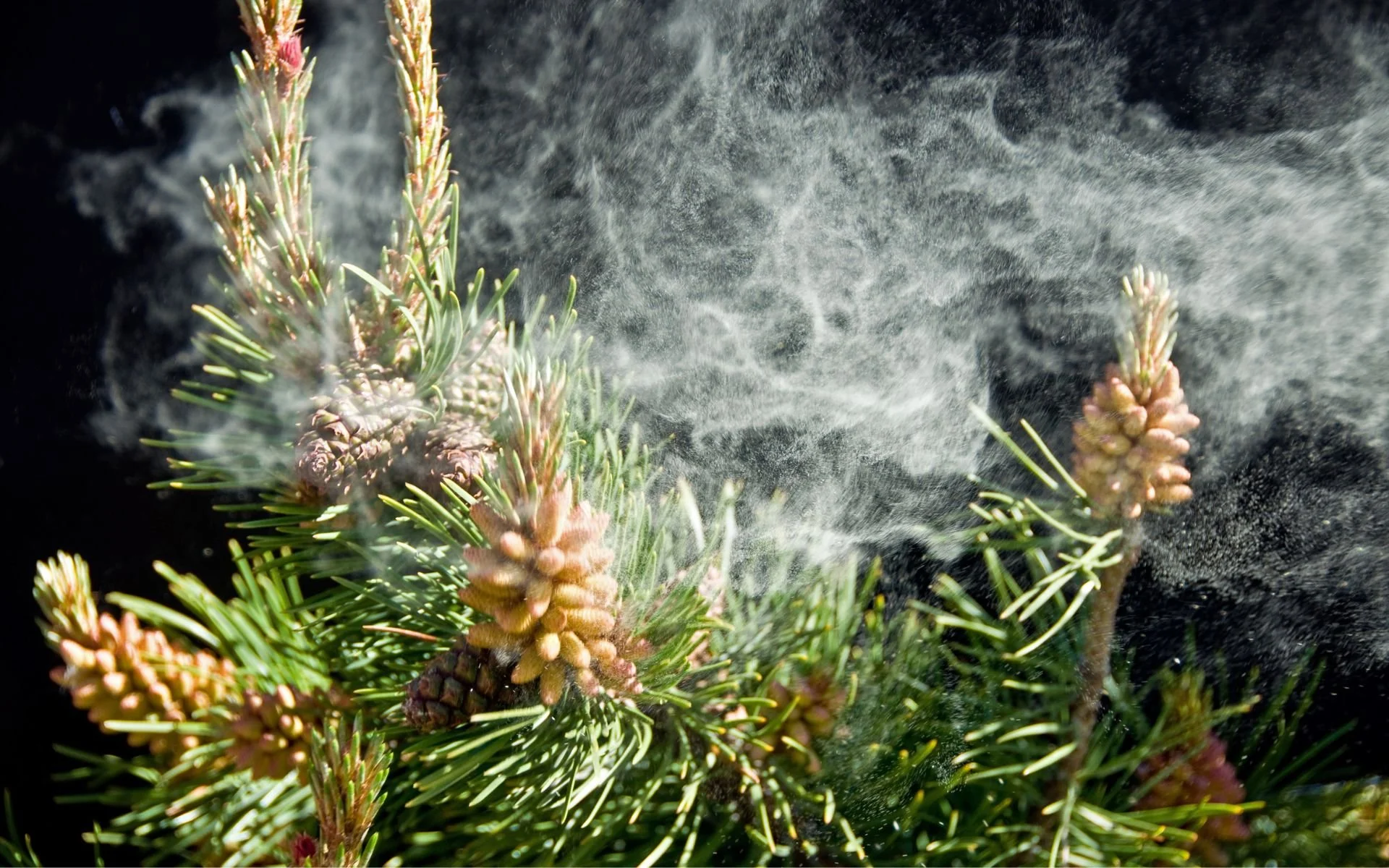
Ponderosa Pine Pollen (Spring)
Every spring, Bend's ponderosa pines release a staggering amount of pollen. If you've been here for a spring, you've seen it, that fine yellow-green dust that coats every horizontal surface. Your car, your deck furniture, your windows.
Ponderosa pollen season typically runs from mid-April through early June, with peak weeks somewhere in May depending on the year. During peak bloom, you can watch the pollen drift in visible clouds through the air. It settles on glass and sticks — especially on the exterior of windows facing south or west, which get more direct wind exposure.
What makes it particularly stubborn is that pollen isn't just dust. It has a waxy, protein-rich coating that helps it adhere to surfaces. Water alone doesn't always cut it. That's why a garden hose rinse doesn't get the job done the way a proper window clean does.
When to clean:After peak pollen season wraps up in late May or early June, before the dust of summer takes over.
Volcanic Dust and High-Desert Grit (Year-Round, Peaks in Summer)
Central Oregon sits on top of a volcanic landscape. The soil here is a fine, light pumice, and when it dries out in summer, it becomes airborne. Bend gets very little rain from June through September, which means that dust has months to accumulate on your glass with nothing to wash it off.
This isn't just cosmetic. Fine volcanic dust and high-desert grit are mildly abrasive. Over time, if left on glass, they can cause micro-scratches, especially if someone tries to wipe them off dry. It's one of the reasons professional window cleaning matters more here than in wetter climates. The right solution, the right tools, and the right technique make a real difference.
Add to that the wind. Bend is a windy city, particularly in spring and fall. Wind kicks up particulate from the dry landscape and deposits it directly onto your glass. A dry wind after a long dry stretch can dirty a clean window in a matter of days.
When to clean:Mid-summer (July) catches the window before the worst of the buildup, and again in early fall before the rains arrive.
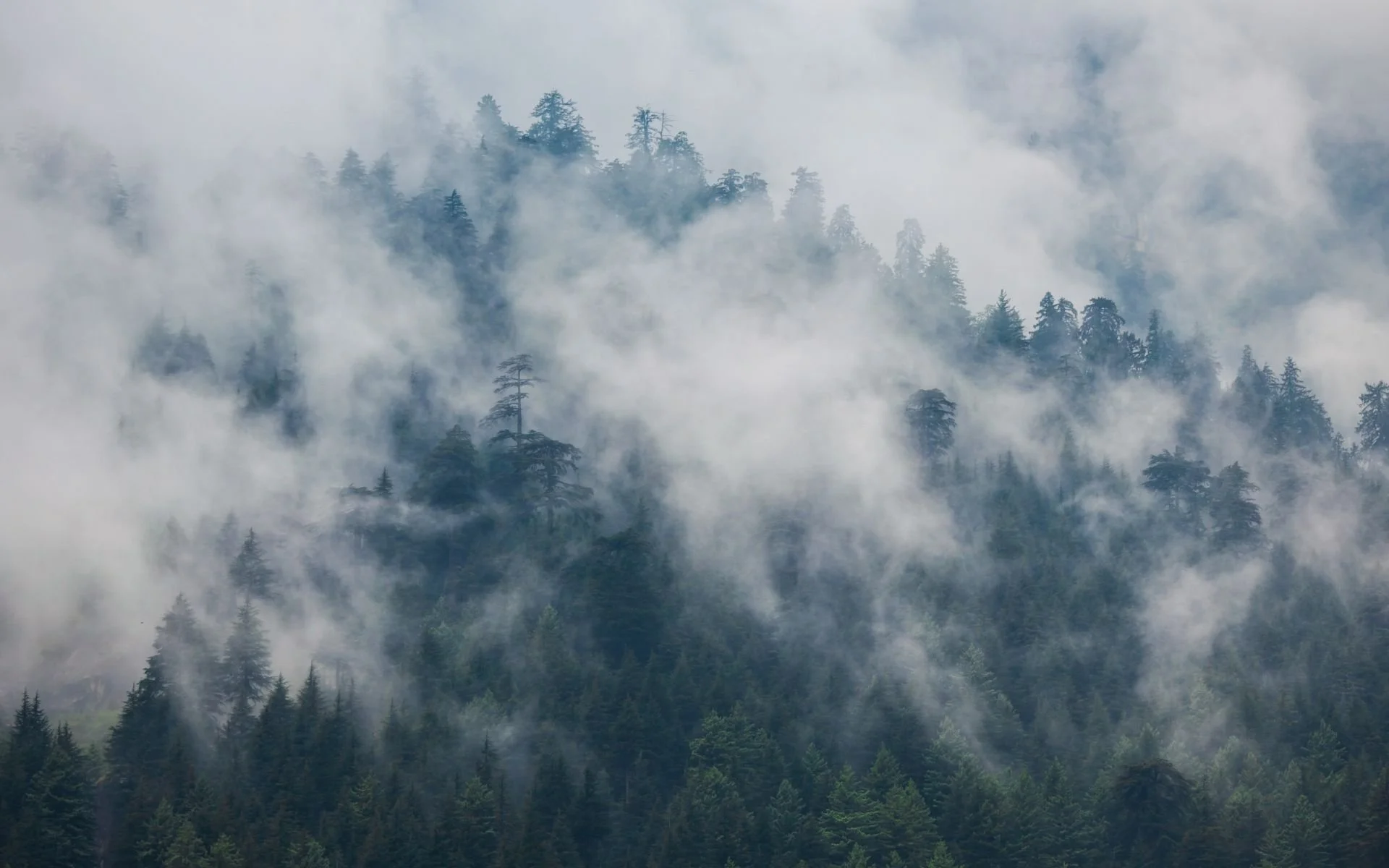
Wildfire Smoke Season (Late Summer and Fall)
This one has gotten worse in recent years. Wildfire smoke from fires across Oregon, Washington, California, and Idaho drifts into Central Oregon every summer and fall. Some years it's a few bad weeks. Some years it's most of August and September.
Smoke residue on glass is different from dust. It's oily, fine, and it bonds to surfaces in a way that regular dust doesn't. When smoke lingers for days or weeks, that residue layers onto your windows and dries into a haze that scatters light and makes your home feel darker even on a sunny day — which, in Bend, is most days.
The residue is also harder to remove than ordinary grime. If you've ever tried to clean smoke-affected windows with a standard glass cleaner and noticed a smear instead of a clean surface, that's why. It takes the right cleaning solution and technique to cut through it properly.
When to clean:After smoke season clears, typically late September or October, before winter sets in.
Rain? Not as Much Help as You'd Think
Bend gets about 12 inches of rain per year. That's less than half the national average, and most of it falls between November and March. That means your windows go through roughly six months of dry summer and fall conditions with no natural rinse.
And here's the thing: even when it does rain in Bend, the first rain after a long dry stretch doesn't clean your windows. It does the opposite. It mixes with the accumulated dust and pollen on the glass and leaves a muddy, streaky residue as it dries. The first rain of fall often makes windows look worse, not better.
What This Means for Your Cleaning Schedule
Put it all together and here's what your windows are up against in a typical Central Oregon year:
Spring:Ponderosa pollen coats everything from mid-April through early June.
Summer:Volcanic dust and high-desert grit build through the dry months with no rain to wash it off.
Late Summer / Fall:Wildfire smoke adds a hazy, oily film to the buildup.
First Rains:Mix with accumulated grime and leave streaks.
That's why most Bend homeowners who care about their windows clean two to four times a year, not because they're being fussy, but because the environment actually warrants it.
A quarterly schedule keeps you ahead of each season. A biannual schedule gets you the two most important cleanings: post-pollen in late spring, and post-smoke in early fall.
Central Oregon gets 300 days of sun a year. You should be able to see it through your windows.

Why Professional Cleaning Matters More Here
In a wetter climate, rain does some of the work for you. In Central Oregon, it doesn't. That means buildup compounds over time, and the combination of pollen wax, volcanic grit, and smoke residue is genuinely harder to remove than ordinary urban dust.
The wrong approach can make things worse. Dry wiping abrasive volcanic dust scratches glass. Standard glass cleaners don't cut through smoke residue. And a garden hose rinse doesn't remove the waxy protein coating of pine pollen.
Professional window cleaning uses the right solutions for what's actually on your glass, and the right technique to remove it without damaging the surface. After a few seasons of Central Oregon weather, that difference shows up clearly.
Ready to Get Ahead of the Next Season?
Call or text me at 858-444-7288 for a free quote. I'll give you an exact price and we can talk through what schedule makes the most sense for your home.
I serve Bend, Redmond, Sisters, Sunriver, La Pine, and all of Central Oregon.
— Conway USA Window Washing